Canada vs Czechia Olympic Hockey: Live Quarterfinal Updates

Software Developer
⏱ 13 min read
Published on February 18, 2026Updated on March 21, 2026

Canada vs Czechia Olympic Hockey Quarterfinal: Complete Live Analysis
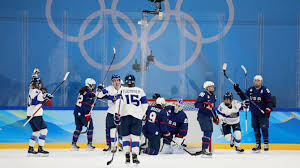
Quarterfinal Showdown: High Stakes Hockey
The Olympic hockey tournament reaches its most intense phase as Canada and Czechia battle for a coveted semifinal spot. This quarterfinal matchup brings together two hockey powerhouses with rich Olympic histories and passionate fan bases. Both teams have navigated through the preliminary rounds with varying degrees of success, and now face the do-or-die reality of knockout stage competition. The winner advances to medal contention while the loser's Olympic journey ends immediately, creating maximum pressure and drama.
Canada enters this match with tremendous expectations, as hockey remains deeply embedded in the nation's identity and culture. The Canadian squad features NHL superstars alongside emerging talents who've proven themselves on international ice. Their preliminary round performances showcased offensive firepower and defensive resilience, though occasional inconsistencies raised questions about their championship readiness. The coaching staff has emphasized discipline and structure, knowing that playoff hockey demands different intensity levels than round-robin matches.
Czechia approaches this quarterfinal as dangerous underdogs with nothing to lose and everything to gain. The Czech team blends experienced veterans who've competed in multiple Olympics with hungry younger players eager to announce themselves on hockey's biggest stage. Their tactical approach emphasizes team defense, opportunistic scoring, and exceptional goaltending—hallmarks of Czech hockey tradition. While outsiders may favor Canada, Czechia possesses the skill, determination, and strategic discipline to produce an upset that would reverberate throughout the hockey world.
Team Canada: Gold Medal Aspirations

The Canadian roster represents an embarrassment of riches with world-class talent at every position. The forward lines feature elite scorers capable of changing games with individual brilliance while maintaining the two-way responsibility that defines Canadian hockey philosophy. The defensive corps combines shutdown defenders with puck-moving specialists who transition play effectively from defense to offense. Between the pipes, Canada boasts proven goaltenders with championship pedigrees and the mental fortitude required for Olympic pressure situations.
Canada's preliminary round revealed both strengths and areas requiring improvement. The offensive explosiveness shown in certain games demonstrated their scoring potential when firing on all cylinders. However, lapses in defensive coverage and occasional goaltending inconsistencies provided glimpses of vulnerability that opponents could exploit. The coaching staff spent recent practice sessions addressing these concerns, emphasizing gap control, defensive zone coverage, and maintaining emotional discipline through sixty minutes of hockey.
The Canadian locker room atmosphere reflects cautious confidence—players understand their talent advantage but respect hockey's unpredictable nature, particularly in single-elimination scenarios. Veterans with Olympic experience provide leadership and perspective, reminding teammates that reputations mean nothing once the puck drops. The team has embraced an "earn everything" mentality, refusing to assume outcomes and focusing solely on execution. This grounded approach, combined with their skill level, makes Canada formidable but not invincible.
Special teams will be crucial for Canada's success. Their power play has shown lethal efficiency when executing set plays and capitalizing on man-advantage opportunities. The penalty kill has been generally solid though tested infrequently due to Canada's disciplined play. Face-off proficiency provides possession advantages that fuel their transition game. These details often determine tight playoff games, and Canada has invested considerable practice time perfecting these elements. Their depth across all positions allows fresh legs throughout the match, potentially decisive in close games extending beyond regulation.
Czechia: The Resilient Challengers
Czechia's Olympic journey reflects classic underdog narrative—a team whose collective effort and tactical intelligence compensates for any perceived talent gap against hockey superpowers. The Czech forwards emphasize responsible two-way play, backchecking commitment, and capitalizing on quality chances rather than volume shooting. Their defensive structure remains compact and organized, clogging shooting lanes and forcing opponents to the perimeter. The goaltending has been outstanding, with Czech netminders stealing games through timely saves that preserve narrow leads or keep deficits manageable.
The Czech team's identity centers on defense-first mentality without sacrificing offensive capability. They understand that defeating Canada requires perfect execution—limiting turnovers, making every shot count, and maintaining defensive discipline through all three periods. Their forechecking system disrupts opponent breakouts while their neutral zone trap frustrates teams trying to build speed through center ice. Patient offensive zone possession allows them to generate quality scoring chances while minimizing dangerous counterattack opportunities for opponents.
Czechia's veteran leadership provides invaluable experience in high-pressure situations. Players who've competed in previous Olympics and world championships understand what's required to upset favored opponents. They've instilled confidence throughout the roster that Czechia can compete with anyone when playing their system properly. The younger players feed off this veteran composure, playing with freedom rather than fear. This psychological edge cannot be underestimated—teams that believe they can win often find ways to make belief reality.
Special teams represent potential equalizer for Czechia against Canada's superior depth. Their power play operates efficiently through quick puck movement and finding shooting lanes through traffic. The penalty kill has been exceptional, utilizing aggressive pressure to disrupt opponent power plays while remaining positionally sound. Czechia understands they'll likely face fewer power play opportunities than Canada, making it essential to capitalize on every man advantage while staying out of the penalty box themselves. This special teams battle could ultimately determine the match outcome.
Tactical Matchups and Key Battles
The coaching chess match between Canadian and Czech benches will significantly influence game flow and strategic adjustments. Canada's coach will look to exploit speed advantages, attacking Czechia's defensive structure with quick transitions and sustained offensive zone pressure. Line matching becomes crucial—deploying offensive weapons against Czechia's weaker defensive pairings while using shutdown lines against Czech scoring threats. The Canadian bench must balance aggressive attack with defensive responsibility, avoiding the emotional trap of overcommitting offensively and creating odd-man rush opportunities.
Czechia's coaching staff faces the challenge of neutralizing Canada's offensive firepower without becoming overly defensive and surrendering all territorial advantage. Their game plan likely emphasizes clogging the neutral zone, forcing Canada to dump and chase rather than carrying pucks with speed through center ice. Defensive zone coverage will focus on eliminating high-danger chances, blocking shots, and clearing rebounds quickly before Canadian forwards can capitalize on second opportunities. The Czech coaches must time line changes perfectly, keeping fresh defenders against Canada's top offensive units.
Individual player matchups will determine crucial game segments. Canada's top line against Czechia's shutdown defense pairing represents a fascinating battle of skill versus defensive structure. The goaltending duel could prove decisive—can Czechia's netminder steal the game with spectacular saves, or will Canada's offensive barrage eventually break through? Physical battles along the boards and in front of both nets will test each team's will and pain tolerance. Playoff hockey rewards players who embrace contact and maintain compete level through sixty-plus minutes of punishing hockey.

The face-off circle battles merit close attention, as possession advantages directly correlate with scoring chances and territorial control. Canada possesses elite face-off specialists capable of dominating draws in all three zones. Czechia must win enough face-offs to establish their defensive system and prevent constant Canadian offensive zone starts. Face-off wins on the penalty kill become even more critical, allowing shorthanded teams to clear the zone and kill precious penalty time. These small details accumulate throughout the game, often separating winners from losers in tight matches.
Historical Context: Canada vs Czech Hockey
The hockey rivalry between Canada and Czech Republic/Czechia spans decades of memorable encounters across various tournaments. The 1998 Nagano Olympics semifinal remains etched in Canadian hockey consciousness—a stunning Czech victory via shootout that denied Canada's gold medal hopes on Olympic debut. That upset exemplified Czech hockey's ability to frustrate Canadian offensive systems through disciplined defense and exceptional goaltending. The result sent shockwaves through Canadian hockey, prompting soul-searching about international game approach.
Subsequent meetings have seen both nations enjoy victories, creating mutual respect between these hockey cultures. The 2010 Vancouver Olympics group stage featured Canada defeating Czech Republic en route to gold medal triumph. World Championship encounters have produced competitive, often closely contested matches showcasing the best both nations offer. These historical touchstones provide context but don't determine current match outcomes—both rosters have changed, coaching philosophies evolved, and circumstances differ from previous meetings.
Individual players carry personal histories against opponent nations. Veterans who've faced each other in international tournaments and NHL seasons bring familiarity with opponent tendencies and playing styles. This experience proves invaluable in high-pressure situations where split-second decisions determine outcomes. Young players making Olympic debuts write new chapters in this ongoing rivalry, unburdened by historical baggage and eager to create their own memorable moments. The blend of history and fresh narratives makes this quarterfinal compelling beyond just the immediate Olympic stakes.
Live Game Updates and Current Status
The pre-game atmosphere is electric as both teams complete final preparations. National anthems have stirred emotional responses from players and fans alike, emphasizing what this match represents for both countries. The starting lineups reveal coaching decisions and strategic priorities—power versus finesse matchups that will evolve throughout the game. The opening face-off approaches with tension palpable both on the ice and throughout arenas and viewing parties worldwide.
The first period establishes the game's tone and momentum. Early scoring chances test both goaltenders as teams probe defensive structures seeking weaknesses to exploit. Physical play along the boards sets intensity levels that will persist throughout the match. Penalties or lack thereof influence special teams opportunities and game flow. Both teams navigate first period nerves, settling into systems while adjusting to opponent execution and referee interpretation of rules. The period's final moments often reveal which team has seized psychological advantage.
As the match progresses through second and third periods, adjustments and counter-adjustments create dynamic tactical battle. Coaching staffs analyze what's working and what requires modification, communicating line changes and system tweaks to players during stoppages and between periods. Momentum swings occur through goals, penalties, big saves, or momentum-shifting hits. Individual performances emerge—stars fulfilling expectations or role players exceeding their typical contributions. The game narrative unfolds through these accumulated moments, building toward a climactic conclusion that will send one team to semifinals and the other home.
Expert Analysis and Predictions
Hockey analysts overwhelmingly favor Canada based on roster talent, Olympic experience, and championship pedigree. The consensus suggests Canada should prevail if playing their structure and avoiding self-inflicted errors. However, experts caution against dismissing Czechia's upset potential, particularly if their goaltender delivers exceptional performance and Czech forwards capitalize on limited quality chances. The prediction model suggests close game with Canada prevailing in low-scoring affair, though acknowledging hockey's unpredictability makes definitive forecasting impossible.
Former Olympic players provide insights drawn from personal experience in similar high-stakes scenarios. They emphasize emotional control, managing adrenaline rushes that lead to undisciplined penalties or defensive breakdowns. The importance of starting strong cannot be overstated—early goals deflate underdogs while emboldening favorites. Veteran voices remind viewers that anything can happen in single-elimination hockey where one bounce or controversial call can alter entire tournament trajectories. This uncertainty makes Olympic hockey perpetually captivating despite pre-game prediction exercises.
Statistical models incorporating various metrics paint nuanced picture beyond simple win-loss predictions. Advanced analytics consider shot quality, expected goals, special teams efficiency, and even-strength possession metrics. These numbers slightly favor Canada but acknowledge Czechia's defensive structure limits high-danger chances against. The goaltending save percentage differential could prove decisive—if Czechia's netminder outperforms Canadian counterpart by even small margins, upset becomes increasingly plausible. Hockey's low-scoring nature means singular exceptional performances can overwhelm broader talent advantages.
The Road to Medal Contention
The quarterfinal winner faces semifinal matchup against another elite hockey nation, moving within two victories of Olympic gold. This quarterfinal represents the tournament's first genuine elimination pressure—preliminary rounds offered safety nets through multiple games, but knockout stage hockey permits no margin for error. Teams surviving this round gain confidence and momentum while also accumulating physical toll through intense playoff hockey. Managing injuries, fatigue, and emotional energy becomes increasingly challenging as tournament progresses.
Canada's ultimate goal remains reclaiming Olympic gold after recent disappointments. The hockey-mad nation demands excellence from their representatives on international ice, creating immense pressure that can inspire or crush depending on how players respond. Making the semifinals would be viewed as minimum acceptable outcome given roster quality, but anything short of gold would leave sense of unfulfilled potential. This expectation burden accompanies Canadian hockey teams globally, particularly at Olympics where national pride burns brightest.
For Czechia, reaching semifinals would represent remarkable achievement and validation of their program's development. While they'd embrace underdog status entering semifinal matchup, simply reaching that stage would energize Czech hockey and inspire future generations. The path to medals always requires defeating multiple elite opponents—Czechia understands this reality but believes their system and personnel can compete with anyone when executing properly. Their Olympic journey regardless of today's outcome demonstrates Czech hockey's continued relevance among international powers.
Cultural Significance and National Pride
Olympic hockey transcends sport in both Canada and Czechia, becoming cultural events that unite nations. In Canada, hockey represents more than pastime—it's intrinsic to national identity, woven into the cultural fabric through generations. Olympic hockey tournaments stop the nation, with millions gathering around screens to witness their team pursue gold. The pressure on Canadian players reflects this cultural importance, carrying hopes of 38 million people seeking validation through hockey success.
Czech hockey similarly holds special cultural place, particularly as source of national pride for smaller nation competing against global powers. Hockey success provides platform for Czechia to demonstrate their capabilities and determination on world stage. When Czech teams upset favored opponents, the victories resonate beyond sport into broader national conversations about identity, resilience, and competitive spirit. These matches create shared memories that bind communities and generations through common sporting experiences.
The global audience watching this quarterfinal extends far beyond Canada and Czechia, encompassing hockey fans worldwide appreciating the sport's highest level. The Olympic stage amplifies every moment, knowing these players represent nations rather than clubs. The pressure, passion, and pure skill on display make Olympic hockey unique within the sport. Regardless of outcome, both teams embody what makes hockey captivating—speed, skill, physicality, and human drama unfolding in real-time before worldwide audience.
Conclusion: Quarterfinal Drama Awaits
The Canada vs Czechia Olympic hockey quarterfinal promises everything that makes tournament hockey compelling—high stakes, contrasting styles, historical context, and unpredictable drama. Canada's quest for gold continues through this knockout stage test, while Czechia seeks upset that would reverberate throughout hockey world. The sixty-plus minutes of hockey will determine which team advances to medal contention and which team's Olympic dreams end.
Both teams have prepared exhaustively for this moment, analyzing opponent tendencies, practicing systems, and mentally preparing for playoff hockey's unique demands. The players understand the opportunity before them—Olympic memories last forever, with both triumph and disappointment equally enduring. The coaches have strategized, made lineup decisions, and will now trust their preparations while making real-time adjustments based on game flow.
Hockey fans worldwide should appreciate the privilege of witnessing Olympic hockey at this intensity level. The combination of national pride, elite talent, and single-elimination pressure creates sporting theater impossible to replicate in other settings. Regardless of result, both teams will leave everything on the ice, embodying Olympic spirit through their effort and determination. May the best team advance, and may this quarterfinal provide the memorable moments that define Olympic hockey legacy.
FAQs
What time does Canada vs Czechia hockey quarterfinal start?
The Canada vs Czechia Olympic hockey quarterfinal start time depends on the Olympic schedule and venue location. Typically, Olympic hockey matches are scheduled throughout the day to accommodate global viewing audiences. Check official Olympic broadcasting schedules or the International Ice Hockey Federation (IIHF) website for exact local start times in your timezone.
Where can I watch Canada vs Czechia Olympic hockey live?
You can watch the match on official Olympic broadcasting partners in your country. In Canada, CBC and TSN typically provide comprehensive Olympic coverage. In the United States, NBC networks broadcast Olympic events. European viewers can check their national broadcasters. Streaming options include Peacock, CBC Gem, or official Olympic streaming platforms based on your location.
What is Canada's record against Czechia in Olympic hockey?
Canada and Czech Republic/Czechia have met several times in Olympic hockey with Canada holding overall advantage in head-to-head record. However, the memorable 1998 Nagano Olympics semifinal saw Czech Republic upset Canada in shootout. Recent meetings have been competitive with both nations securing victories. Historical records vary by tournament format and era.
Who are the key players for Canada in this quarterfinal?
Canada's key players include elite NHL forwards who provide offensive firepower, experienced defensemen anchoring the blue line, and proven goaltenders. Specific names depend on final roster selections and healthy scratches. Watch for Canadian players who excel in high-pressure situations and have previous Olympic experience. Face-off specialists and penalty kill experts will be crucial in tight playoff hockey.
Read Next

IPL 2026 Opening Match: RCB vs SRH Preview

IPL 2026 Match Schedule Out: Teams, Dates & Fixtures

🇮🇳From Doubt to Glory: How India Won T20 World Cup 2026

India Win T20 World Cup Final in Historic Victory

India vs New Zealand: T20 World Cup Final

Who Will Win Australian GP 2026? Predictions

Australian Grand Prix 2026: Full Race Weekend Guide

India vs England Semifinal: Live Preview & Expert Analysis

Can India Qualify for the T20 World Cup Semifinal?

India vs Zimbabwe LIVE: T20 World Cup Updates

India vs South Africa: Today’s T20 World Cup Clash

Canada vs Finland: Olympic Hockey Showdown

Jessica Pegula Stuns Anisimova in Dramatic Match Victory

Canada Hockey at the Olympics: Squad Strength & 2026 Outlook

India Win by 17 Runs Against Netherlands in Dominant Display

Olympic Hockey 2026: Schedule, Teams & Gold Race

India vs Netherlands: Match Preview & Analysis

India vs Netherlands Today: Live Match Analysis & Updates

Pakistan vs Namibia: Match Preview & Analysis

Arsenal vs Wigan Athletic: Match Preview & Analysis

2026 Winter Olympics: Alpine Skiing Preview

India Defeat Pakistan by 61 Runs in T20 World Cup

India vs Pakistan: High-Voltage Clash Preview

2026 Winter Olympics: Men’s Figure Skating Preview

iPad Pro M5 Review: Insane Power & Performance

Nothing Phone 4a: Features, Price & Full Review

MacBook Neo vs MacBook Air M2:Shocking Differences check now

iPhone 17 Pro vs Pro Max: Full Comparison Guide

NVIDIA DLSS 5: AI Graphics Revolution Explained

AirPods Max 2: Features, Price & Full Review

MacBook Air M5 vs M4: Is the $100 Upgrade Worth It?

iPhone 17 vs iPhone 17e: Which One Should You Buy?

MacBook Air M4 vs MacBook Neo: Full Comparison

MacBook Neo vs MacBook Air M1:Which Budget Mac Wins in 2026?

MacBook Neo vs MacBook Air M1: Full Performance Comparison

MacBook Neo vs MacBook Air M1: Which Is Better?

Apple MacBook Neo for Students at $499 Discount

iPad Air M4 2026: Complete Review, Specs & Buying Guide

iPhone 17e Launch 2026: Apple's Most Affordable Flagship

MacBook Neo 2026 Review: Price, Specs & Features

iPhone 17e: Apple's Most Affordable Flagship Phone 2026

MacBook Air M5: Apple's Game-Changing 2026 Launch Review

Samsung Galaxy S26 Ultra: Launch & New Features

Eric Dane Dies at 53: Grey’s Anatomy Star Passes Away

Is YouTube Down Right Now? Live Status, Outage & Updates

JEE Mains 2026 Results LIVE: Session 1 Scorecard by Feb 16

JEE Main 2026 Result to Be Announced on February 16

US Tax Filing Season 2026: Deadlines, Refunds,& What to Know

श्री हनुमान चालीसा: Hanuman Chalisa Lyrics in Hindi

Nipah Virus Outbreak: Symptoms, Causes & India Alert

Top 10 Best Phones Under 20000 in 2026:Complete Buying Guide

Realme P4 Review 2026: Budget Performance King Analysis

ProDentim Review 2026: Oral Probiotic That Works or Hype?

iQOO 15R: Gaming Performance & Speed Architecture

Nothing Phone 4a Pro: Transparent Design Innovation

Realme P4 Power: Complete Technical Review & Analysis

Indian Republic Day: Constitution & National Identity
Trump, Greenland, and Global Politics: Power, Provocation, and International Reactions

How Technology Is Reshaping the Way We Think, Work, and Live

DSA vs Development: What Really Matters for a Successful Tech Career?
