Nothing Phone 4a Pro: Transparent Design Innovation

Software Developer
⏱ 7 min read
Published on January 28, 2026Updated on March 21, 2026

Nothing Phone 4a Pro: Transparent Design Meets Innovation
Design Language and Aesthetic Innovation
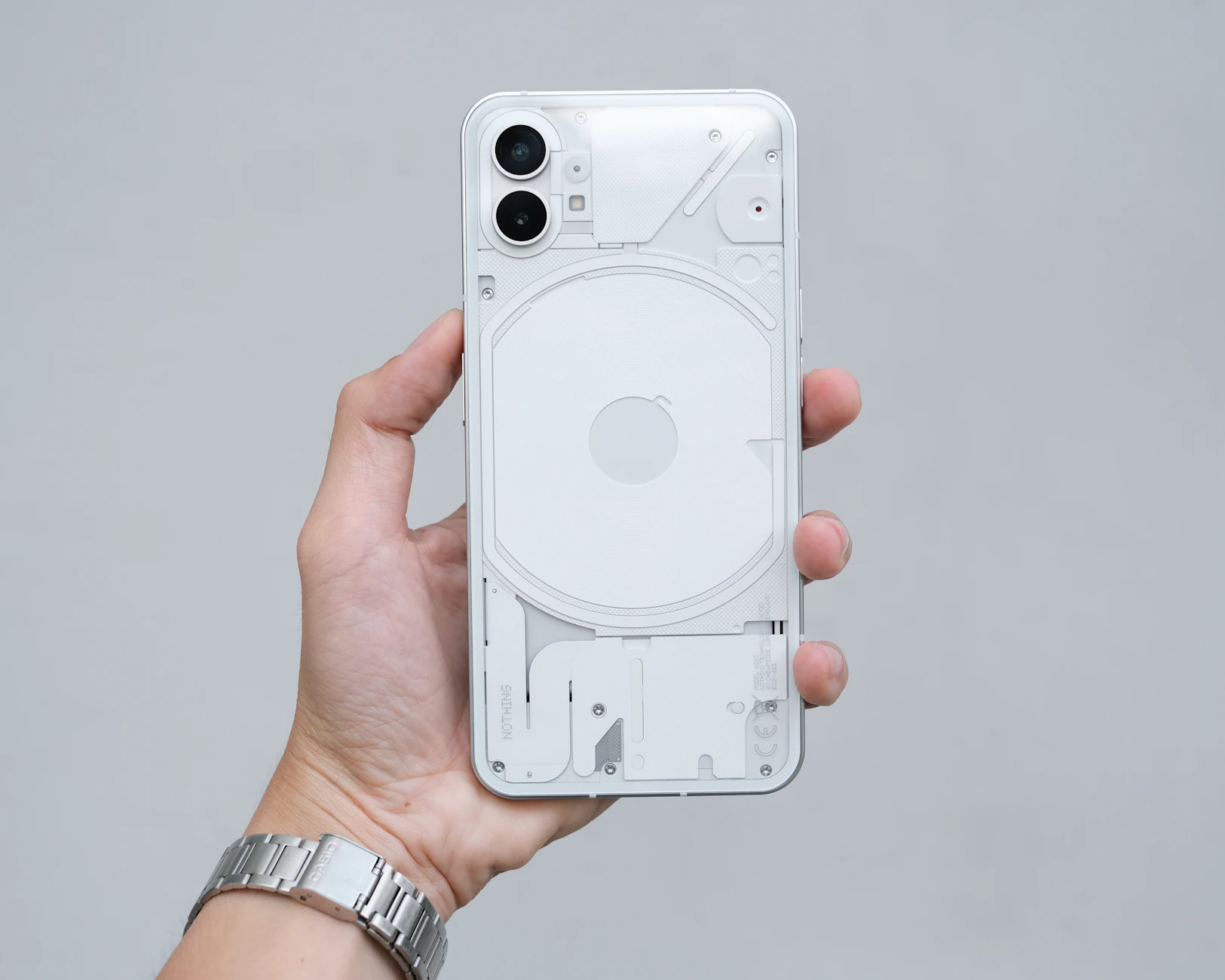
The Nothing Phone 4a Pro continues the brand's distinctive transparent design philosophy, showcasing internal components through carefully engineered glass panels. The device features the signature Glyph Interface on the rear, utilizing LED strips as functional notification and communication elements. Build quality emphasizes premium materials including aerospace-grade aluminum frames and Gorilla Glass protection. The transparent aesthetic isn't merely cosmetic—it represents a deliberate rejection of conventional smartphone homogeneity. Weight distribution achieves balance despite the complex internal layout visible through transparent sections. The minimalist approach extends to color options, typically offering monochromatic schemes that emphasize the technological showcase beneath the surface.
Display Technology and Visual Experience
The display implements AMOLED technology delivering deep blacks and vibrant color reproduction essential for media consumption. Screen specifications include high refresh rates ensuring smooth scrolling and responsive touch interactions across applications. Peak brightness levels accommodate outdoor visibility requirements while HDR support enhances compatible content viewing. The display's hole-punch or under-display camera implementation maintains screen real estate maximization. Adaptive brightness algorithms optimize visual comfort across varying lighting conditions. Color calibration targets accuracy for content creators while maintaining visual appeal for general users. The screen-to-body ratio maximizes display area within the device footprint, reducing bezels without compromising structural integrity.
Processing Power and Performance Optimization
The Nothing Phone 4a Pro utilizes flagship-tier processors delivering computational power for demanding applications and multitasking scenarios. The system-on-chip integrates high-performance CPU cores, advanced GPU architecture, and specialized AI processing units. RAM configurations support extensive multitasking without performance degradation from memory constraints. Storage options provide ample space for applications, media libraries, and system operations, typically using fast UFS storage technology. Thermal management systems prevent performance throttling during sustained high-load operations. Software optimization through Nothing OS ensures efficient resource allocation and responsive user experience. Gaming performance meets enthusiast expectations with sustained frame rates and graphical fidelity in demanding titles.

Camera System and Imaging Capabilities
The camera array combines multiple sensors addressing diverse photographic scenarios from ultrawide landscapes to detailed close-ups. The primary sensor features large pixel dimensions improving low-light performance and dynamic range capture. Computational photography algorithms enhance images through multi-frame processing, HDR merging, and AI scene optimization. Night mode implementation extends photographic capability into challenging lighting conditions previously requiring dedicated equipment. Video recording supports high-resolution capture with stabilization technologies reducing motion artifacts. Portrait mode effects utilize depth information creating professional-looking background separation. The front camera balances resolution with compact implementation requirements for selfies and video calls.
Battery Performance and Charging Infrastructure
Battery capacity specifications target all-day usage across typical consumption patterns without requiring midday charging interventions. Fast charging technology dramatically reduces replenishment time through optimized power delivery protocols. Wireless charging capability provides convenient charging alternatives for compatible accessories and charging pads. Battery management systems employ adaptive learning, optimizing power allocation based on individual usage patterns. The implementation includes battery health preservation features extending usable lifespan across ownership duration. Power-efficient components and software optimization maximize operational time from available battery capacity. Reverse wireless charging functionality allows the device to power compatible accessories and other devices when needed.
Connectivity and Network Integration
The device supports comprehensive 5G connectivity across multiple frequency bands ensuring compatibility with evolving network infrastructure globally. WiFi 6 or WiFi 6E implementation provides enhanced wireless networking performance with reduced latency and improved congestion handling. Bluetooth specifications support latest protocol versions enabling high-quality audio streaming and stable peripheral connections. NFC integration facilitates contactless payments and rapid device pairing with compatible accessories. GPS and multi-constellation satellite positioning ensure accurate location services for navigation and location-based applications. Dual SIM functionality accommodates users managing multiple cellular subscriptions for personal and professional separation. Network performance optimization ensures reliable connectivity across varying signal conditions and network congestion scenarios.
Software Experience and Nothing OS
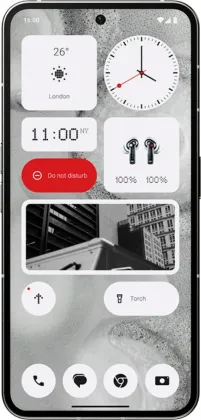
Nothing OS represents a refined Android experience emphasizing visual clarity, functional simplicity, and performance optimization. The interface design follows minimalist principles reducing visual clutter while maintaining intuitive navigation patterns. Customization options allow personalization without sacrificing system performance or introducing instability. The Glyph Interface integration extends beyond hardware to software, creating unique notification and interaction patterns. Software update commitments ensure extended security patch delivery and major version upgrades maintaining device relevance. Pre-installed applications focus on essential functionality avoiding excessive bloatware that consumes storage and system resources. Privacy features provide transparency regarding data collection and application permissions respecting user privacy preferences.
Audio Engineering and Sound Quality
Audio implementation includes stereo speaker configurations delivering spatial sound separation for media consumption without external speakers. Speaker tuning balances volume capabilities with clarity across frequency ranges avoiding distortion at maximum volumes. The retention of the 3.5mm headphone jack addresses audiophile preferences for wired audio connections with high-impedance headphones. Bluetooth audio codecs support high-quality wireless transmission maintaining audio fidelity with compatible headphones and speakers. Microphone arrays enable clear voice capture for calls and video recording with noise cancellation reducing ambient interference. Haptic feedback systems provide tactile response enhancing interaction quality and notification awareness. Audio processing algorithms optimize output for different usage scenarios including calls, media playback, and gaming applications.
Security Features and Privacy Protection
Biometric authentication options include fingerprint sensors and facial recognition providing secure yet convenient device access. The fingerprint implementation utilizes optical or ultrasonic technology embedded within the display maintaining aesthetic cleanliness. Encryption systems protect stored data from unauthorized access if device security is compromised. Application permission frameworks provide granular control over sensor access and data collection by installed applications. Secure element integration protects sensitive payment information and cryptographic keys from software-based attacks. Privacy dashboards provide visibility into application behavior revealing unexpected data access or permission usage. Regular security updates address emerging vulnerabilities maintaining protection against evolving threat landscapes throughout device ownership.
Market Positioning and Value Proposition
The Nothing Phone 4a Pro occupies premium mid-range or flagship territory depending on specific configuration and regional pricing strategies. The transparent design language differentiates the product within crowded smartphone markets dominated by conventional aesthetics. Target demographics include design-conscious consumers valuing aesthetic innovation alongside technical specifications. The Glyph Interface functionality appeals to users seeking unique interaction methods beyond standard notification systems. Pricing strategies balance premium materials and flagship specifications against competitive pressure from established manufacturers. Brand positioning emphasizes transparency—both literal and philosophical—challenging industry norms around design uniformity and corporate communication. The value proposition extends beyond specifications to encompass design philosophy and brand identity alignment.
Environmental Considerations and Sustainability
Manufacturing processes incorporate recycled materials reducing environmental impact associated with raw material extraction and processing. The transparent design philosophy paradoxically enables easier device repair by exposing internal component layout to technicians. Modular construction approaches facilitate component replacement extending device lifespan and reducing electronic waste generation. Packaging minimization reduces material consumption and shipping volume decreasing carbon footprint across distribution networks. The company's commitment to software longevity through extended update support delays device obsolescence compared to shorter support cycles. Energy-efficient components reduce operational power consumption benefiting both battery life and overall environmental impact. Take-back programs and recycling initiatives address end-of-life device disposal preventing toxic materials from entering waste streams.
Future Implications and Technology Trajectory
The Nothing Phone 4a Pro represents broader industry movements toward design differentiation in maturing smartphone markets. Transparent aesthetics challenge assumptions about consumer preferences potentially influencing competitor design strategies. The Glyph Interface demonstrates continued innovation possibilities in notification and interaction paradigms beyond screen-based interactions. Component showcase through transparency may increase consumer awareness of internal technology driving more informed purchasing decisions. Brand evolution trajectories suggest expansion into broader technology ecosystems beyond smartphones alone. The success or failure of distinctive design approaches influences risk tolerance for aesthetic innovation across the industry. Future iterations will reveal whether transparent design represents lasting brand identity or transitional experimentation in market positioning strategies.
FAQs
How does the Glyph Interface work?
The Glyph Interface uses LED strips on the device's rear panel as customizable notification indicators. Different patterns represent specific contacts, apps, or system alerts. It functions during charging indication and can serve as fill light for photography.
How long does Nothing provide software updates?
Nothing commits to extended software support including major Android version updates and regular security patches. Specific duration commitments should be verified through official channels, but contemporary standards typically promise 3-4 years of major updates and longer security support.
What processor does the Nothing Phone 4a Pro use?
The device utilizes flagship-tier processors from Qualcomm's Snapdragon series, delivering high-performance computing for demanding applications, gaming, and multitasking. Specific chipset varies by release generation and regional variants, ensuring contemporary performance standards.
Is the Nothing Phone 4a Pro waterproof?
Water resistance specifications vary by model but typically include IP rating protection against dust and water ingress. Users should verify specific IP certification (such as IP68) for their model, which indicates submersion depth and duration tolerances under controlled conditions.
What makes the Nothing Phone 4a Pro unique?
The Nothing Phone 4a Pro features distinctive transparent design showcasing internal components, signature Glyph Interface LED system for notifications, and Nothing OS providing refined Android experience. The combination of aesthetic innovation and flagship specifications differentiates it from conventional smartphones.
Read Next

iPad Pro M5 Review: Insane Power & Performance

MacBook Neo vs MacBook Air M2:Shocking Differences check now

iPhone 17 Pro vs Pro Max: Full Comparison Guide

NVIDIA DLSS 5: AI Graphics Revolution Explained

AirPods Max 2: Features, Price & Full Review

MacBook Air M5 vs M4: Is the $100 Upgrade Worth It?

iPhone 17 vs iPhone 17e: Which One Should You Buy?

MacBook Air M4 vs MacBook Neo: Full Comparison

MacBook Neo vs MacBook Air M1:Which Budget Mac Wins in 2026?

MacBook Neo vs MacBook Air M1: Full Performance Comparison

MacBook Neo vs MacBook Air M1: Which Is Better?

Apple MacBook Neo for Students at $499 Discount

iPad Air M4 2026: Complete Review, Specs & Buying Guide

iPhone 17e Launch 2026: Apple's Most Affordable Flagship

MacBook Neo 2026 Review: Price, Specs & Features

iPhone 17e: Apple's Most Affordable Flagship Phone 2026

MacBook Air M5: Apple's Game-Changing 2026 Launch Review

Is YouTube Down Right Now? Live Status, Outage & Updates

iQOO 15R: Gaming Performance & Speed Architecture

Realme P4 Power: Complete Technical Review & Analysis

How Technology Is Reshaping the Way We Think, Work, and Live

DSA vs Development: What Really Matters for a Successful Tech Career?

Quantum Computing: Understanding the Next Revolution in Technology

Nothing Phone 4a: Features, Price & Full Review

IPL 2026 Opening Match: RCB vs SRH Preview

IPL 2026 Match Schedule Out: Teams, Dates & Fixtures

🇮🇳From Doubt to Glory: How India Won T20 World Cup 2026

India Win T20 World Cup Final in Historic Victory

India vs New Zealand: T20 World Cup Final

Who Will Win Australian GP 2026? Predictions

Australian Grand Prix 2026: Full Race Weekend Guide

India vs England Semifinal: Live Preview & Expert Analysis

Can India Qualify for the T20 World Cup Semifinal?

India vs Zimbabwe LIVE: T20 World Cup Updates

Samsung Galaxy S26 Ultra: Launch & New Features

India vs South Africa: Today’s T20 World Cup Clash

Canada vs Finland: Olympic Hockey Showdown

Jessica Pegula Stuns Anisimova in Dramatic Match Victory

Eric Dane Dies at 53: Grey’s Anatomy Star Passes Away

Canada vs Czechia Olympic Hockey: Live Quarterfinal Updates

Canada Hockey at the Olympics: Squad Strength & 2026 Outlook

India Win by 17 Runs Against Netherlands in Dominant Display

Olympic Hockey 2026: Schedule, Teams & Gold Race

India vs Netherlands: Match Preview & Analysis

India vs Netherlands Today: Live Match Analysis & Updates

Pakistan vs Namibia: Match Preview & Analysis

Arsenal vs Wigan Athletic: Match Preview & Analysis

2026 Winter Olympics: Alpine Skiing Preview

India Defeat Pakistan by 61 Runs in T20 World Cup

JEE Mains 2026 Results LIVE: Session 1 Scorecard by Feb 16

JEE Main 2026 Result to Be Announced on February 16

India vs Pakistan: High-Voltage Clash Preview

2026 Winter Olympics: Men’s Figure Skating Preview

US Tax Filing Season 2026: Deadlines, Refunds,& What to Know

श्री हनुमान चालीसा: Hanuman Chalisa Lyrics in Hindi

Nipah Virus Outbreak: Symptoms, Causes & India Alert

Top 10 Best Phones Under 20000 in 2026:Complete Buying Guide

Realme P4 Review 2026: Budget Performance King Analysis

ProDentim Review 2026: Oral Probiotic That Works or Hype?

Indian Republic Day: Constitution & National Identity